Rising Tides: How Shanda Sloan is Building Community, One Tile at a Time
March 6, 2026
“Mah Jongg didn’t just bring me back to a game. It brought me back to myself."
This month, we travel to Fayetteville, Arkansas, to meet Shanda Sloan. From her moving story of a "parting gift" from her mother to her innovative, multimodal teaching style at Ozark Mah Jongg, Shanda’s insights are pure inspiration for players and teachers alike.
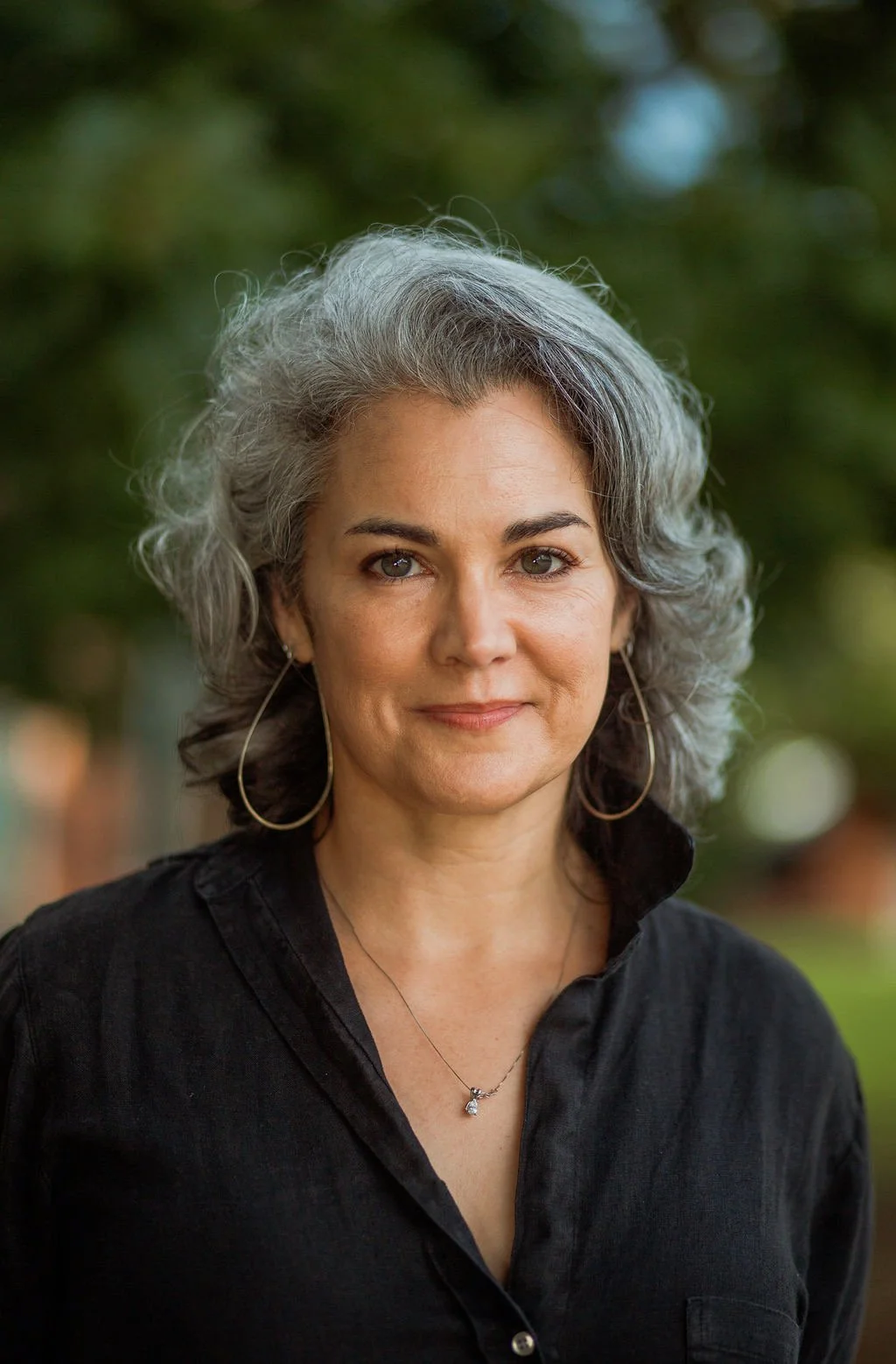
Shanda Sloan, the founder of Ozark Mah Jongg and a passionate advocate for community-building in Northwest Arkansas.
Interview #2 in My Series of Interviews with Mah Jongg Teachers Across the Country
Last month I posted my first interview with a Mah Jongg teacher who was from the mid-west: Behind the Scenes: Profile of a Beloved and Busy Mah Jongg Teacher. This month we travel south, to Arkansas to learn about a very talented and bubbly MJ teacher, Shanda Sloan. Shanda’s answers to my questions are pure gold. If you want to learn how one teacher found her way into Mah Jongg, and if you are considering teaching MJ yourself, I am certain you will find her story compelling.
Another note: If, after reading about Shanda’s MJ world here, you find yourself hungry for more Shanda, be sure to check out the special recommendation at the bottom of the page. It’s a real treat to hear Shanda’s lovely voice as she draws you in, expressing her candid thoughts with clarity, warmth and humor. Now, on to the interview!
◆ ◆ ◆
Stacey: Thanks for agreeing to this interview, Shanda. How did you first learn about my flipbook? And, have you had a chance to look over the new, expanded third edition of my flipbook, yet? If so, do you have any feedback for me?
Shanda: I came across your flipbook very early in my Mah Jongg journey through a Google search. I was looking for something I could use as a leave behind, and I didn’t want to reinvent the wheel. I needed something that followed and reinforced the National Mah Jongg League’s official rulebook, Mah Jongg Made Easy, but that was easy to follow.
When I found Let’s Play Modern American Mah Jongg!, it felt like the missing piece. It mirrors the natural flow of a lesson and gives players a quick, practical way to find exactly what they need while they’re playing.
I absolutely believe every American Mah Jongg player should read Mah Jongg Made Easy. It matters. But right after a first lesson, it can feel daunting. It’s written in League language, and that can feel foreign before players have found their footing.
The flipbook meets people where they are. It’s approachable, clearly written, and laid out in a way that makes the game feel accessible instead of intimidating. I usually suggest students start with the flipbook, play a few games, get comfortable with the rhythm and vocabulary, and then come back to Mah Jongg Made Easy with much more confidence.
Stacey: You also had a chance to look through the new, expanded third edition of the flipbook. Do you have any feedback for me?
I just finished reading through the new flipbook. Great work. As always, it’s excellent information. What follows are just a few small pieces of feedback, and please take them with a grain of salt. I know you can’t include every nuance without losing what makes this such a strong guide. Its brevity is perfect, it’s easy to explore, and it remains an outstanding table resource for new players.
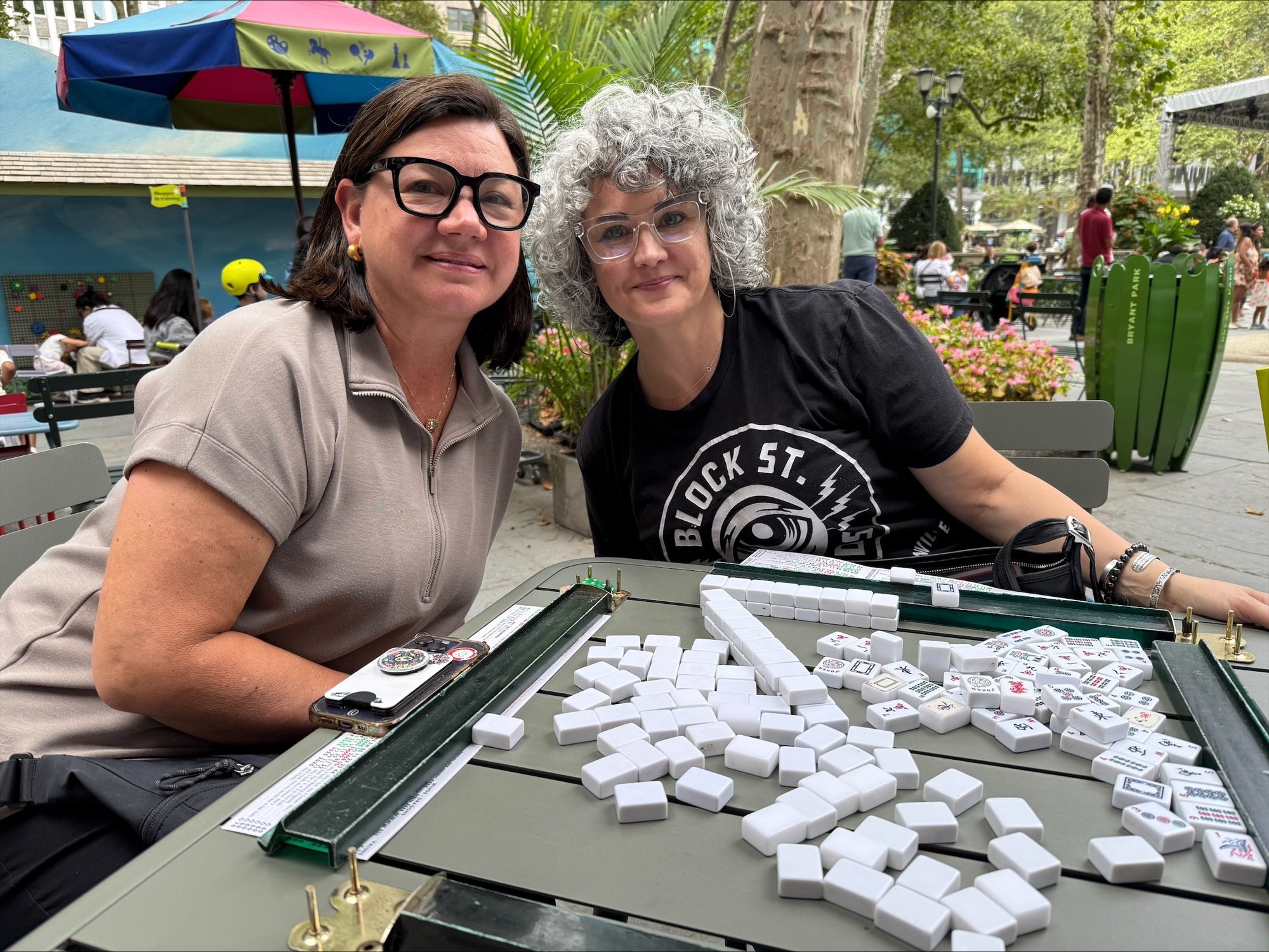
Fun is fuel: Shanda believes that having a great time at the table is just as important as mastering the strategy of the tiles.
A note about dealing the tiles
I wanted to share one small, technical note regarding this section. I appreciate your framing of it as a house-rule preference, and I know practices vary from table to table. In my teaching, I emphasize the League’s guidance that East is dealer in name only and that players picking their own tiles is less about ritual and more about fairness. Because tiles are easier to tip or expose than cards, this approach helps reduce accidental or perceived advantage and keeps play equitable.
More about the card
I take more questions about the 3 colors on the card. I love your concise explanation in this section. As you know, new students are so thrown by these three colors. I usually make a joke when new students ask, “WHY do they use these three colors? It’s so confusing!” My response, “Well, in 1937, the League purchased large vats of red, green, and blue ink. They haven’t run out, so they refuse to change the colors on the card.” LOL. "A change in color SIMPLY means a change in suit." I also love that your resource reminds players to pay close attention to parentheses. So many students overlook this step and miss opportunities to play stronger hands.
Calling a tile
I love how you present this section. I use your language in my lessons. “These conditions must be met.” It is clear, memorable, and incredibly helpful for new players. Bravo. That’s all I have. I’m truly grateful for this resource. The QR codes at the back are excellent and so useful. I’m constantly restocking it and can’t wait to purchase the third edition. Thank you again for this important work.
Stacey: Thanks for such detailed feedback, Shanda. Can you tell me how long you've been playing American Mah Jongg? And how long have you been teaching others how to play?
Shanda: I learned to play American Mah Jongg in 2018, at my mother’s request. She had recently been diagnosed with stage IV breast cancer, and learning the game was on her bucket list. So she did what she always did when she wanted to learn something new. She hired a teacher and invited us to the table. My mother had been an avid bridge player in her younger years and a teacher for more than forty years. She believed deeply in games as a way to learn about people. "Games were never just games in our house... through them, she taught us how to collaborate, how to communicate, how to compete with grace, and how to connect."
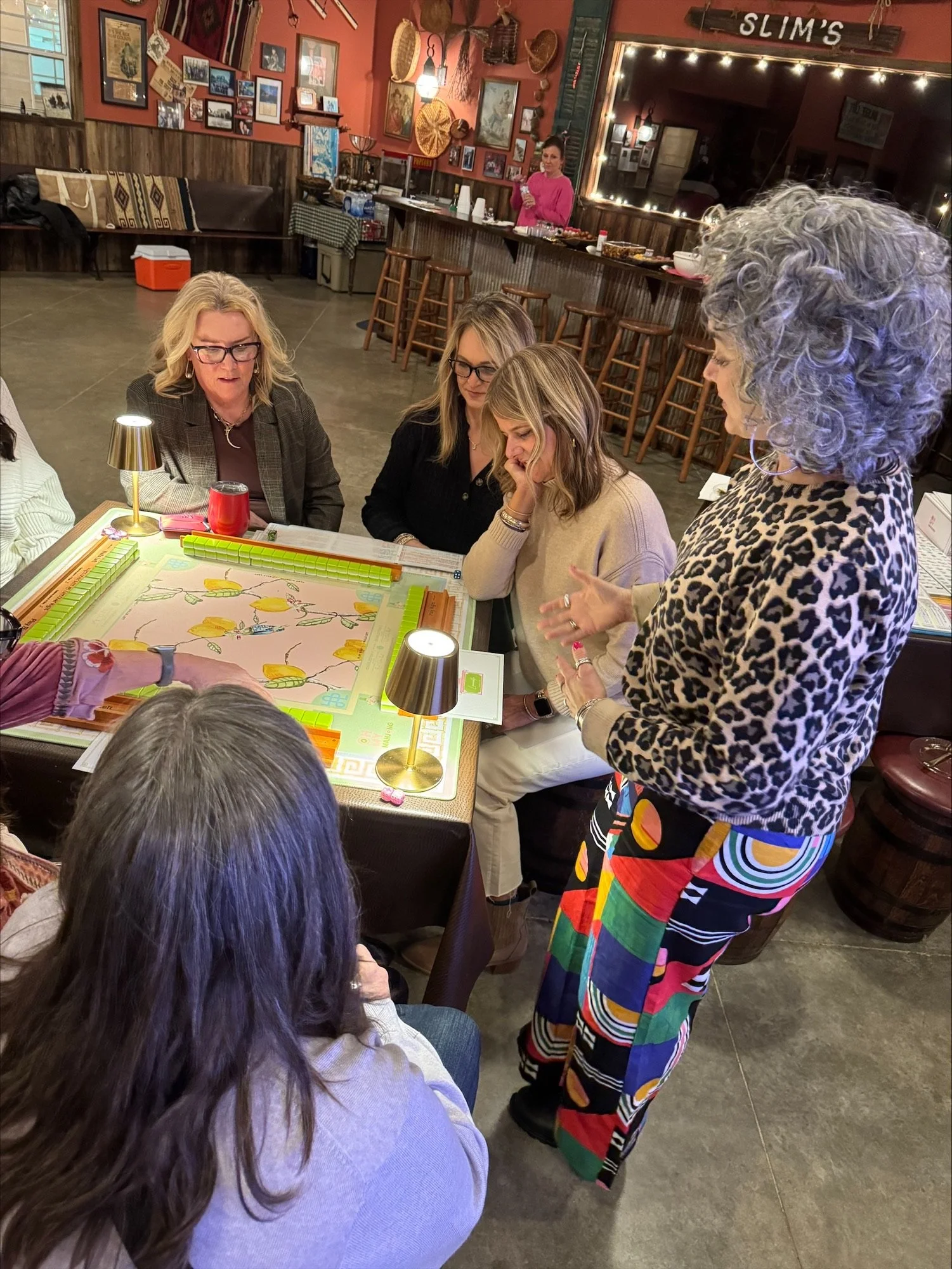
Making the circle bigger: Shanda believes that more players and more teachers only serve to strengthen the entire Mah Jongg community.
When my mother passed away in 2020, the game went quiet for me. I had no one to play with, and for a long while, I didn’t want to. Grief has a way of making even the most beautiful things feel heavy. Then, in 2024, a friend asked a simple question. Did I remember how to play? The tiles felt familiar in my hands. The rhythm came back. And with it came my mother, those afternoons at the table, the sound of tiles and conversation and laughter layered over something much deeper. I fell in love with the game all over again.
Stacey: What motivated you to learn how to play, and can you talk a little bit about that experience?
Shanda: My mom was a teacher at my high school, though I never took one of her classes, and that was very much by design. She was an excellent, beloved teacher, but when it came to teaching me, we could be a bit like oil and water. Had she not been sick, I almost certainly would have said no to learning Mah Jongg with her. I’m very glad I didn’t.
I’ve come to believe that Mah Jongg was her parting gift to me. Today, the game keeps her with me, beside me. Learning American Mah Jongg, however, was not effortless for me. I’m a visual, hands-on, multimodal learner, and a singular lecture-style approach has never worked well for me. American Mah Jongg is not a game you can fully absorb without some instruction. We had a good teacher, but her approach was lecture-style. It took time, repetition, and a lot of practice before things truly clicked.
Stacey: Will you say a little bit about your experience as a teacher of MJ? For example, do you have certain teaching methods and tools that you have found work best with newbies to the game?
Shanda: My experience as a teacher is deeply shaped by how I learn myself. I’m a multimodal learner, and that understanding sits at the center of everything I do in the studio. I teach using a dynamic slide presentation paired with multiple sensory modes: visual, auditory, reading and writing, and kinesthetic, or hands-on learning.
Rather than relying on lecture, I lean into storytelling. I also use a Socratic approach to teaching. I don’t rush to give answers. Instead, I guide students toward them through conversation, observation, and shared discovery. Above all, I want learning Mah Jongg to feel accessible, thoughtful, and human.
Stacey: What do you find is the most rewarding aspect of playing Mah Jongg? And same question, but for teaching the game?
Shanda: For me, the most rewarding aspect of playing Mah Jongg is the sense of calm it brings. I have ADHD, and Mah Jongg gives my hands and my mind something to do while I’m with others, and that combination settles me in a way few things do.
Teaching the game may be even more rewarding for me than playing it. My favorite part is watching discovery happen in real time. I love seeing students light up as the strategy clicks, as they realize they understand something that once felt mysterious. There’s a particular joy in watching someone recognize their own cleverness.
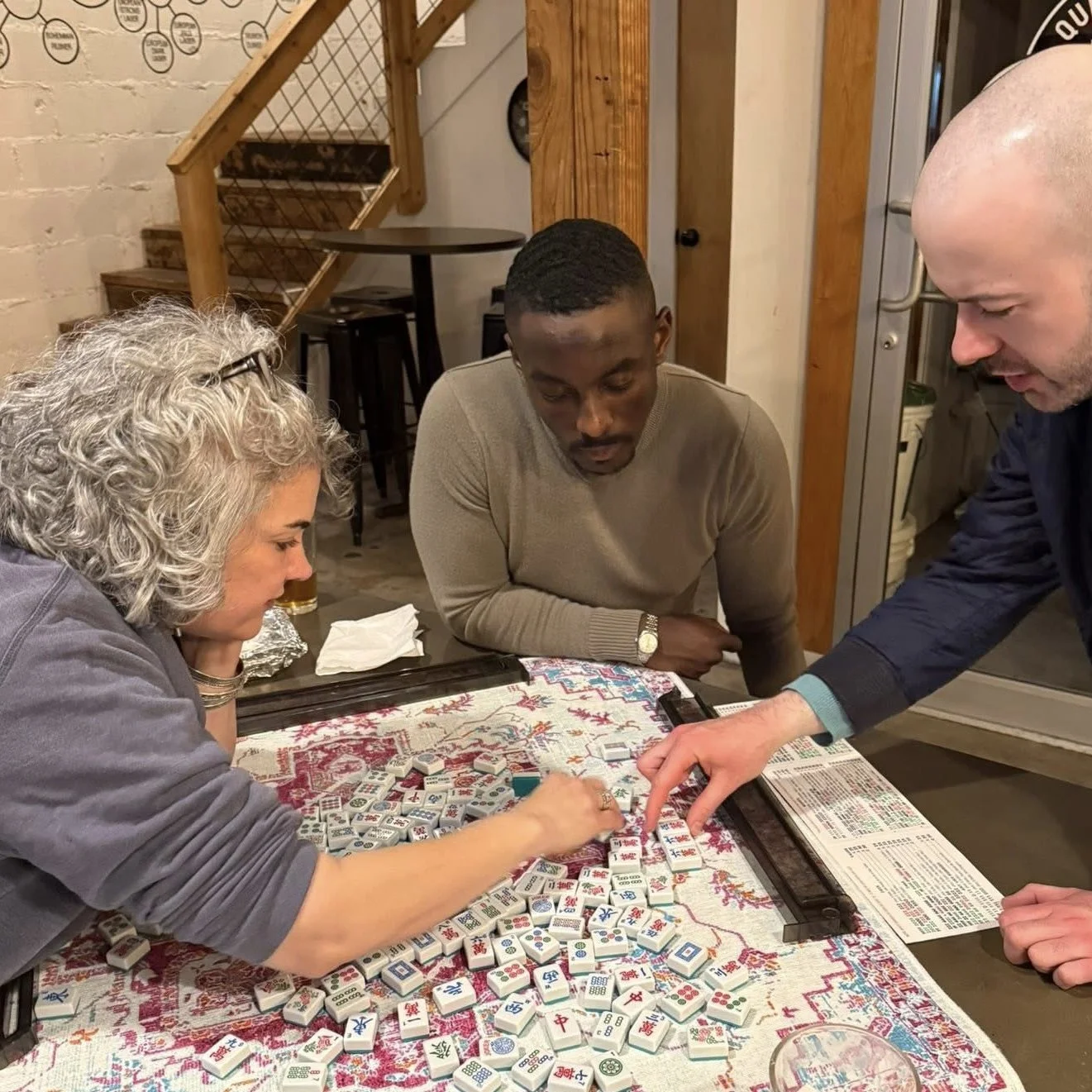
Shanda uses the flipbook at her studio to help new players bridge the gap between learning the rules and gaining confidence at the table.
Stacey: How do your students find you? And can you describe the typical number of lessons your students take with you, and if you do one-on-one or small or larger groups? Also, do you charge a typical fee?
Shanda: Most of our students find us the old-fashioned way—word of mouth. We now have a dedicated studio space in Fayetteville, Arkansas, and we love walk-ins! Our studio is located at 130 East Poplar Street, Suite D, in Fayetteville, and folks are always welcome to stop in or call or text us at 479-380-2920.
Our Mah Jongg 101 class is $65 per seat, and when paired with a 102 lesson, the bundled price is $100 per seat. Once someone takes a class with us, we consider ourselves their Mah Jongg Help Desk. We welcome questions by phone, text, or popping back into the studio.
Stacey: Do you have any experience playing Asian versions of Mah Jongg? If so, can you tell me which ones and how they compare with the NMJL's version of American Mah Jongg?
Shanda: I don’t yet have hands-on experience playing Asian versions of Mah Jongg, but learning them is very much next on my list. I’m especially interested in Hong Kong, Classical Chinese, and Riichi. Everyone I know who plays Hong Kong Mah Jongg describes it as joyful, creative, and a bit less rigid than American Mah Jongg. That sense of freedom really appeals to me. Each version reflects the people who play it and the communities that shaped it.
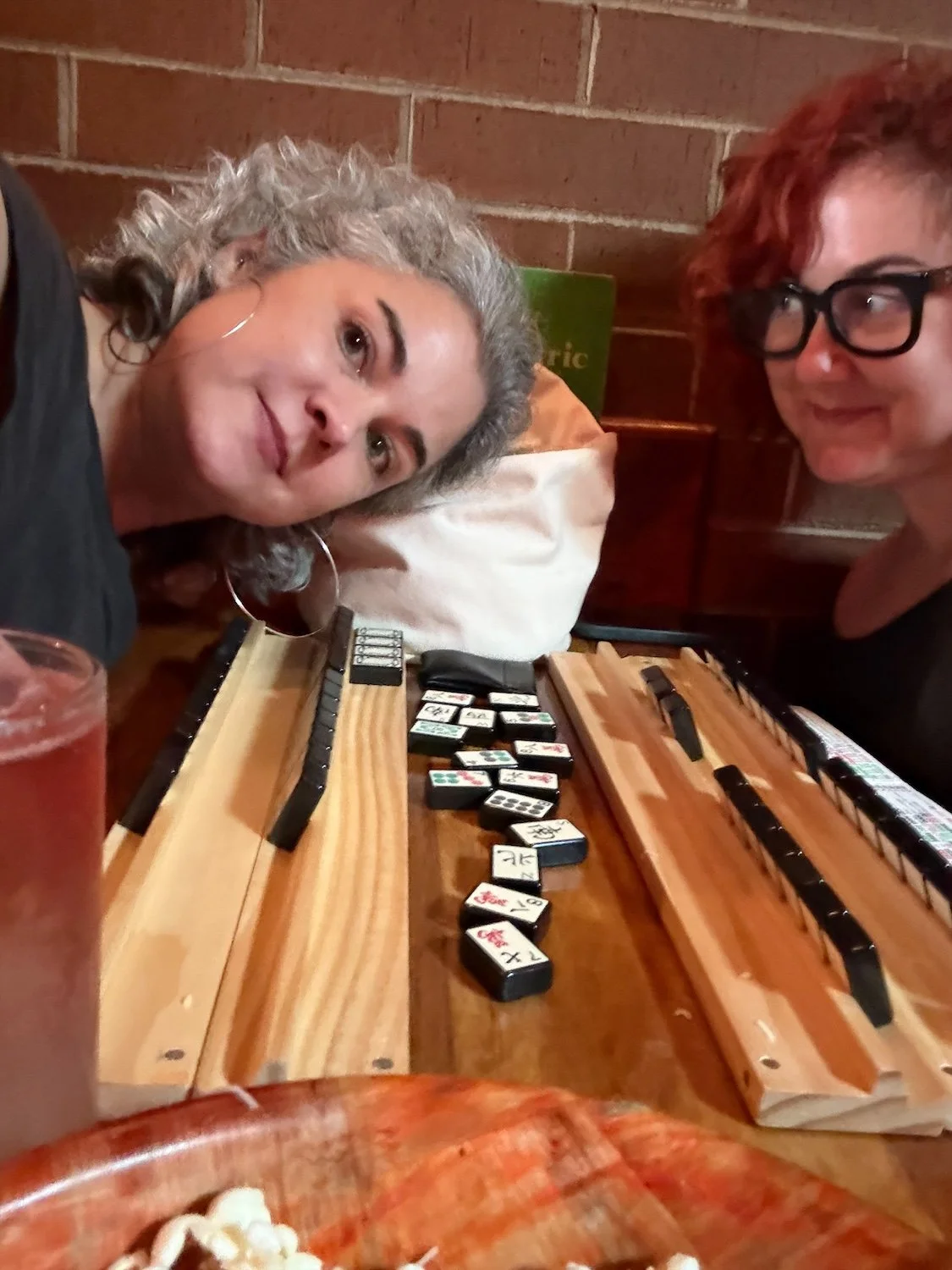
"Mah Jongg didn’t just bring me back to a game. It brought me back to myself."
Stacey: Are you familiar with Siamese MJ? How about Royal Siamese MJ? If so, how do you like playing that way?
Shanda: Yes, I’m very familiar with Siamese Mah Jongg, and we absolutely love playing it in the studio. It’s a version of the game we truly adore. Each April, when the new card arrives, I spend as much time as possible playing Siamese. It’s one of the fastest ways I know to ramp up familiarity with the card and to teach it more effectively. I haven’t yet played Royal Siamese Mah Jongg, but you’ve piqued my curiosity. It’s now firmly on my list.
Stacey: Do you ever play for money? If so, how do you feel about playing that way?
Shanda: Yes, we do play for money in our private games, and we really enjoy it. We keep the stakes very low, usually quarters, but even a small amount adds an extra layer of focus and fun. Mah Jongg’s origins are closely tied to the concept of money; the dots represent Chinese coins, and the bamboos reflect the strings merchants used to carry those coins. I believe playing for money, or at least learning to play for points, allows players to experience the full breadth of the game.
Stacey: Have you attended or run any MJ tournaments? If so, will you say more about those experiences?
Shanda: I attended my first Mah Jongg tournament at the encouragement of a dear friend. I’ll admit, I was hesitant at first. But from the very beginning, my friend told me, “You can only be intimidated if you allow yourself to be.” That advice stuck with me. I was met with nothing but kindness, encouragement, and generosity. Now, fast play is my preferred way to play. I encourage newer players not to take tournaments off the table too quickly. Don’t say never!
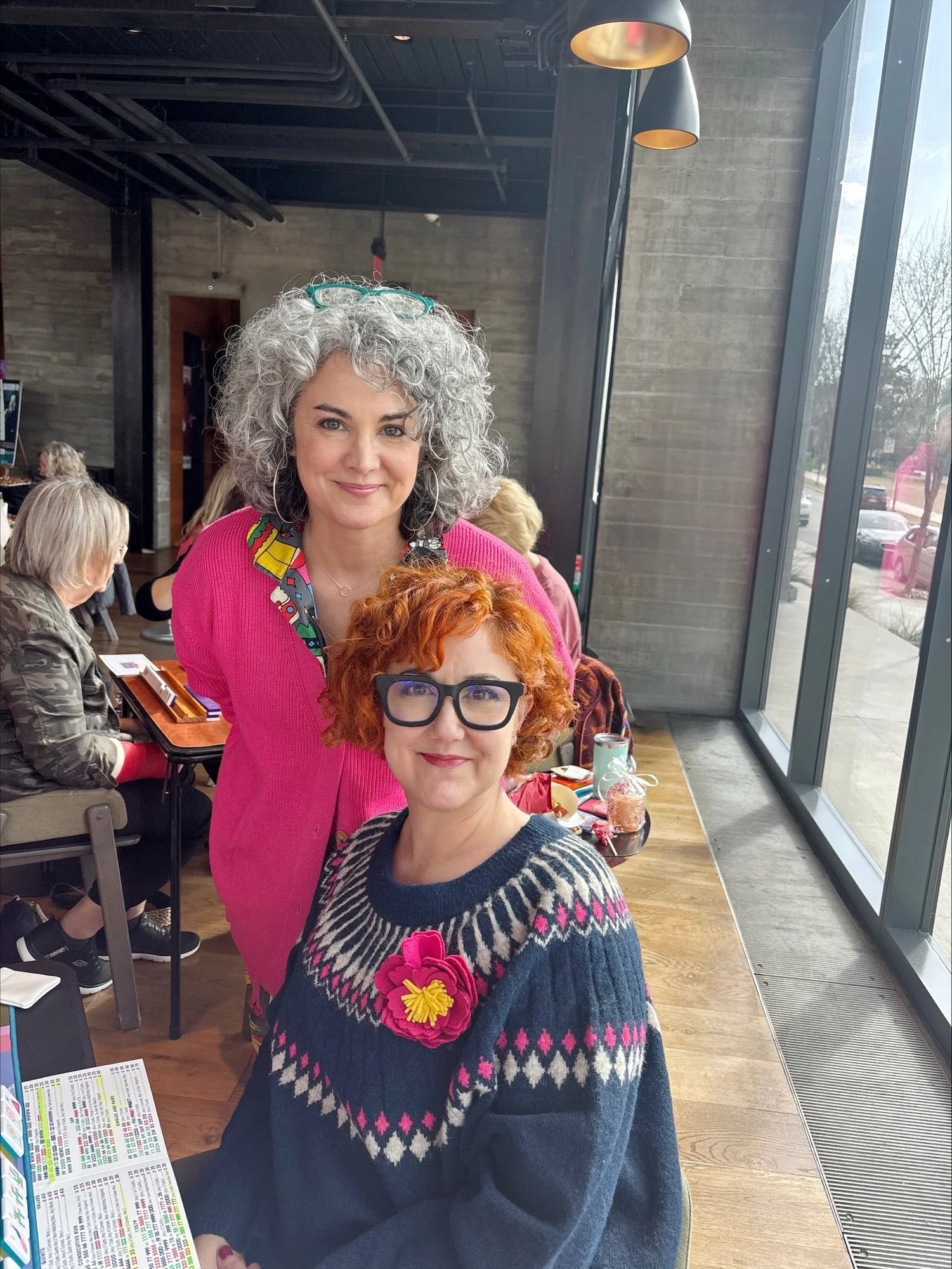
At Ozark Mah Jongg, Shanda focuses on a hands-on, multimodal approach to ensure every student feels seen in how they learn.
Stacey: What advice do you have for experienced players who are thinking of becoming MJ teachers?
Shanda: My advice is simple, but important: be experienced, and be intentional. I feel a real responsibility to teach American Mah Jongg as it is written. Consistency matters. It allows players to sit at tables beyond their home game and feel grounded and confident.
What I often tell students and fellow teachers is this: learn the rules well so that when you break them, you know you’re doing it. That knowledge gives you freedom rather than confusion.
Stacey: What else would you like to say about your experience as a player or as a teacher of Mah Jongg that you think would be interesting to my readers?
Shanda: If there’s one thing I’ve learned as both a player and a teacher, it’s this: rising tides really do raise all ships. When you feel the pull to view other instructors as 'the competition,' I encourage you to pause and reframe that instinct... We don’t divide a fixed pie. We make the circle bigger.
I believe deeply in reaching out to other instructors who work near you and finding ways to build community together. More instructors ultimately mean more players. More players mean more tables, more laughter, and more friendships. At its best, American Mah Jongg does what games have always done: it brings people together who might not otherwise meet.
For a fascinating further look into Shanda’s world...
I highly recommend listening to Shanda's interview on the I Am NW Arkansas podcast. In the episode More Than a Game: How Mahjong is Building Community and Healing Hearts in Northwest Arkansas, she talks about the deep human connection, strategy, and healing that happens one tile at a time. It’s a wonderful way to experience her warmth and vision firsthand. Here’s a handy link: https://www.youtube.com/watch?v=NUshXXM479M
Join the conversation!
Do you have a favorite memory of learning Mah Jongg, or a "house rule" you love to use? I’d love to hear it! Send me an email at flip4mahjongg@gmail.com and let’s keep the conversation going.
Ready to master the game yourself? Order your copy of the 3rd edition flipbook right here on our site to get the same table-side resource Shanda recommends to all her students.