Marblehead, MA Mahj Teacher
The Accidental Teacher: How a Quest for Friends Sparked a Mah Jongg Movement
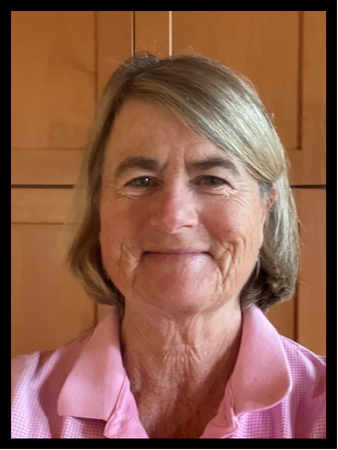
This month I continue in my series of interviews with Mah Jongg teachers across the country with Lisa Parker, a warm and friendly Mahj enthusiast who didn’t set out to become a teacher of this beloved game. Read about her journey here and learn how she started out as a newbie and very quickly became an expert. I enjoyed getting to know Lisa, and I think you will too!
~ ~ ~
Stacey: Can you tell me how long you've been playing American Mah Jongg? And how long have you been teaching others how to play?
Lisa: I have been playing Mah Jongg for four years and been teaching it for three years
Stacey: What motivated you to learn how to play, and can you talk a little bit about that experience?
Lisa: I retired from my career to care for my mother after my father died. After she passed away, I got very involved in a local women’s focused charity which kept my mind and heart engaged. It was rewarding but after 8 years, I retired from that as well. I wanted to ensure that I kept learning something to challenge my brain and Bridge felt too involved and complicated to pick up right away. Four other recently retired women had just learned Mah Jongg and were having fun. I was invited to watch them play and was intrigued. I was told by their instructor to find three others and she would teach me. It’s hard to believe it now, but I couldn’t get three others to commit to the four lessons.
I was intent on learning the game, so I bought Stacey Rea’s Flipbook, which was recommended to me by one of my friends who had just learned the game. It simplified the game I had watched and clarified the language and the tiles.
The Flipbook gave some suggestions for additional instructional books, which I bought. I devoured them and began following three Facebook groups where people posted questions about certain circumstances they faced during a game. These questions along with the community’s answers quickly made me knowledgeable about the game. I began substituting in my friends’ game and realized that I knew the answers to questions that they posed as beginners because of all the research I had done. I really wanted to get my tennis and pickleball friends to learn so, selfishly, I had more friends to play with! Thus began my path towards teaching. It was purely a way to increase the circle of friends who played versus becoming a new career or income stream. I had no idea about the impending wave of requests to teach others to play because of the way I taught. It was very fundamental for the first two lessons and then we dove in. I truly believe if you don’t understand the tiles and the card, the game won’t be fun.
Stacey: Will you say a little bit about your experience as a teacher of MJ? For example, do you have certain teaching methods and tools that you have found work best with newbies to the game?
Lisa: I never intended to become a certified teacher as a relatively new MJ player. It happened organically and evolved as I got better at doing it. In the beginning, I taught four friends using the Flipbook and chose to start at a very basic level to help them make sense of the tiles themselves. It can be so daunting to hear this new language, so I chose to start with baby steps.I knew it would require about four lessons so I would buy them the large card and the flipbook and then made up my own handouts. My former career had involved facilitating corporate strategic meetings, so I was already pretty educated on how to create packets of information to help guide a group through a meeting.
I realized I was excited to teach Mah Jongg because it leveraged elements of my former career with a newfound passion. I had been following Michelle Frizzell and invested in her “Mah Life” teaching packet. It had been similar with how I had started to teach it but was clearer in step by step instructions and was very thorough. Her teaching guide provided me with a very specific step by step process for the first class. Michele’s teaching tools can be accessed digitally as well, which was great as I began to teach up to 12 people at a time. I also typed up a resource list, including the books I had read and included some blogs, Facebook groups and websites where they can play online to practice like Ilovemahj.com. I have purchased over 125 Flipbooks alone and counting!
Word of mouth from friends took off within the town and before I knew it, I was stopped on the street or in the local grocery store or gym by people who had heard of the game and wanted to learn. According to my nephew, I had unknowingly become a little celebrity. I had to enlist some friends to help me coach larger groups.
In the beginning, I only charged people the amount of the card and book as my goal was to get friends to learn the game so I had a group to play with. As I expanded my packets of information, I slowly started to increase my ‘fee’ to help cover my costs but still wasn’t really charging for my time. I now charge a little bit more to cover some of my time but still don’t view my teaching practice as a business, but rather a service to help build community. As of October 2026, I’ve taught close to 150 local women. I am very proud of that and how its cross-pollinated groups to meet new people at our ripe old age. I haven’t taught men yet but many women would like their husbands to learn.
Stacey: What do you find is the most rewarding aspect of playing Mah Jongg? And same question, but for teaching the game.
Lisa: I love how Mah Jongg is a game of mental stimulation, flexibility, pattern identification and luck. And I do like the fact that the card changes up each year to keep one on her toes and how it evens out the playing field every April. All that said, what I like the most is that it builds community and allows folks to meet new people over a card table.
As for teaching, I am quite proud of building a community of players in my three town area. In this post Covid-era, we need to find ways to gather again with joy and laughter and Mah Jongg has provided that. I love connecting people together and that has been the greatest gift of teaching this wonderful game.
Stacey: How do your students find you? And can you describe the typical number of lessons your students take with you, and if you do one-on-one or small or larger groups at one time? And do you charge? If so, what is your typical fee?
Lisa: I really don’t advertise and am now somewhat selective in managing my teaching as it got a bit overwhelming. It’s very time intensive. It’s purely been word of mouth and at its peak, I would get two or three texts or emails a week from people I didn’t know asking if they could take lessons. I don’t identify myself really as a Mah Jongg teacher, which sounds funny because I didn’t intend to make this a little side gig. I take the summers off to enjoy outdoor activities but teach in the fall, winter and spring. On average, I teach four two-hour lessons but find a fifth ‘bonus’ lesson is often needed for some of the slower learners. Currently, I am teaching two four-person groups, which I enjoy as its more intimate and hands on. However, I have taught several 8 and 12 person groups to help minimize the time investment to free up time for other interests. With Mah Jongg’s explosion, many people want to learn to not be left behind their friends! For larger groups, I enlist one or two other friends to help have one coach per table when it comes to practice playing. They don’t want to take money from me so I give them gift cards or flowers from local businesses.
I am now charging a total of $135 per person which covers four classes and all the material and a small stipend for my time. I know this is far below what some other locals are charging but as I said, for me it’s more about building community than running a business.
Stacey: How did you first learn about my Flipbook? And, have you had a chance to look over the new, expanded third edition of my Flipbook, yet? If so, do you have any feedback for me?
Lisa: It was suggested to me by a friend who was told about it by her sister. It was a great easy read. Haven’t spent detailed time reviewing the new book yet.
Stacey: Do you have any experience playing Asian versions of Mah Jongg? If so, can you tell me which ones and how they compare with the NMJL's version of American Mah Jongg?
Lisa: No, I haven’t. I have been interested in learning Siamese MJ however to be able to just play with two people.
Stacey: Do you ever play for money? If so, how do you feel about playing that way?
Lisa: I haven’t played for money but some women are beginning to. For most of us, its about pride and just counting how many wins we get in a sitting. All that said, I realize it would change the strategy a bit and make one more defensive and strategic about joker swaps.
Stacey: Have you attended or run any MJ tournaments? If so, will you say more about those experiences?
Lisa: No and I’m not really interested in them either. I play golf and tennis in tournaments, and I find the mindset required changes the fun of those games. I want Mah Jongg to be about mental stimulation while enjoying the camaraderie of others.
Stacey: What advice do you have for experienced players who are thinking of becoming MJ teachers?
Lisa: Reflect back on what it was like for you as a beginner and how overwhelming it was. Its like drinking from a firehose! You need patience as a teacher because people learn differently and at different paces. I don’t let my players actually see a game until the third lesson as I want them to become familiar with the tiles and the language and then spend the majority of the second lesson purely on the card. Without being able to understand the importance of thinking “categories first versus individual hands”, they will get overwhelmed and lost and want to give up.
Finally, I established a couple of weekly games at local clubs. At each spot, I have Google sign- up sheets for people to sign up. I try to reserve one table a week for beginners so they can play at a more relaxed pace and help each other out.
Stacey: What else would you like to say about your experience as a player or as a teacher of Mah Jongg that you think would be interesting, entertaining or educational to my readers?
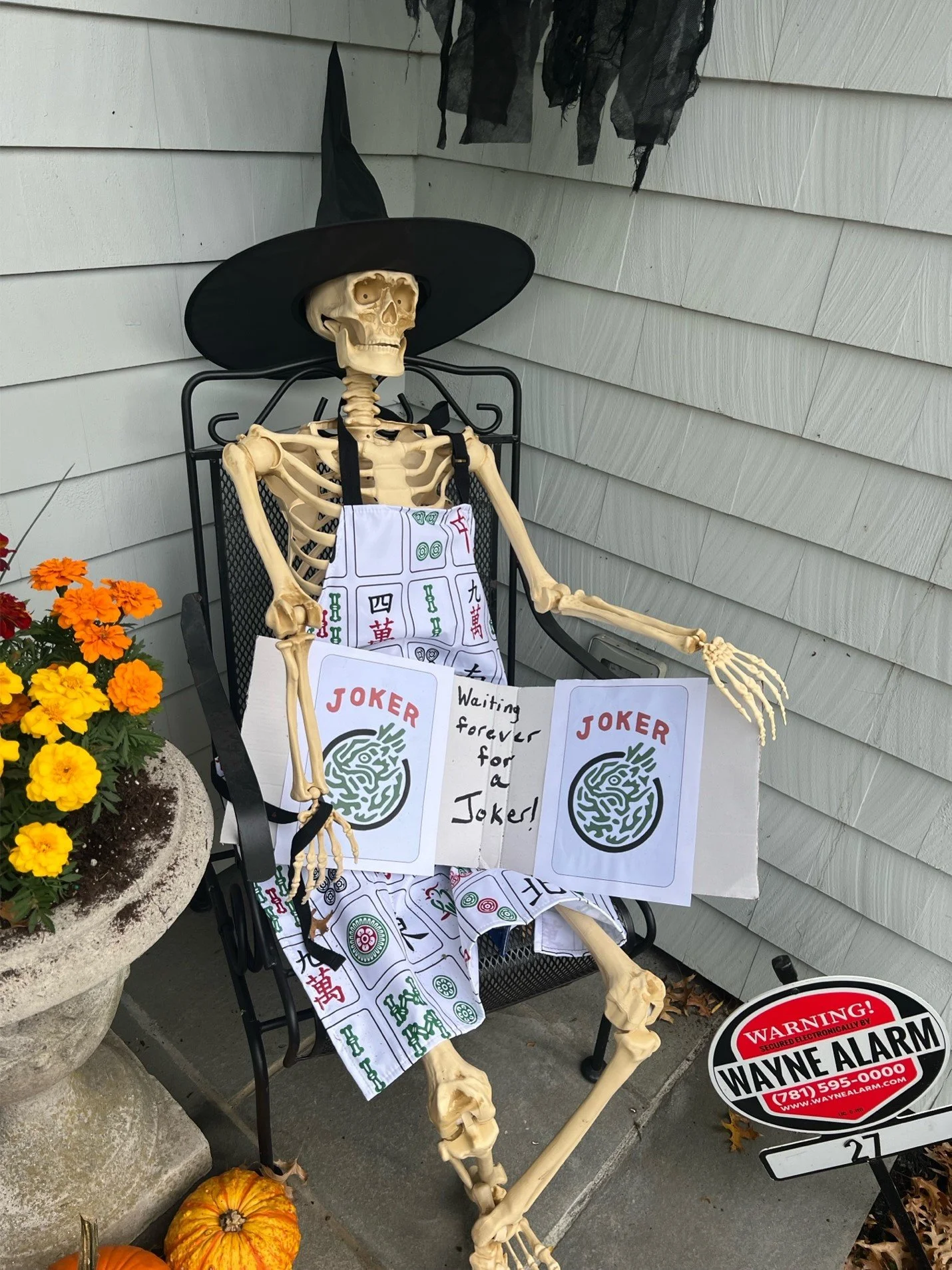
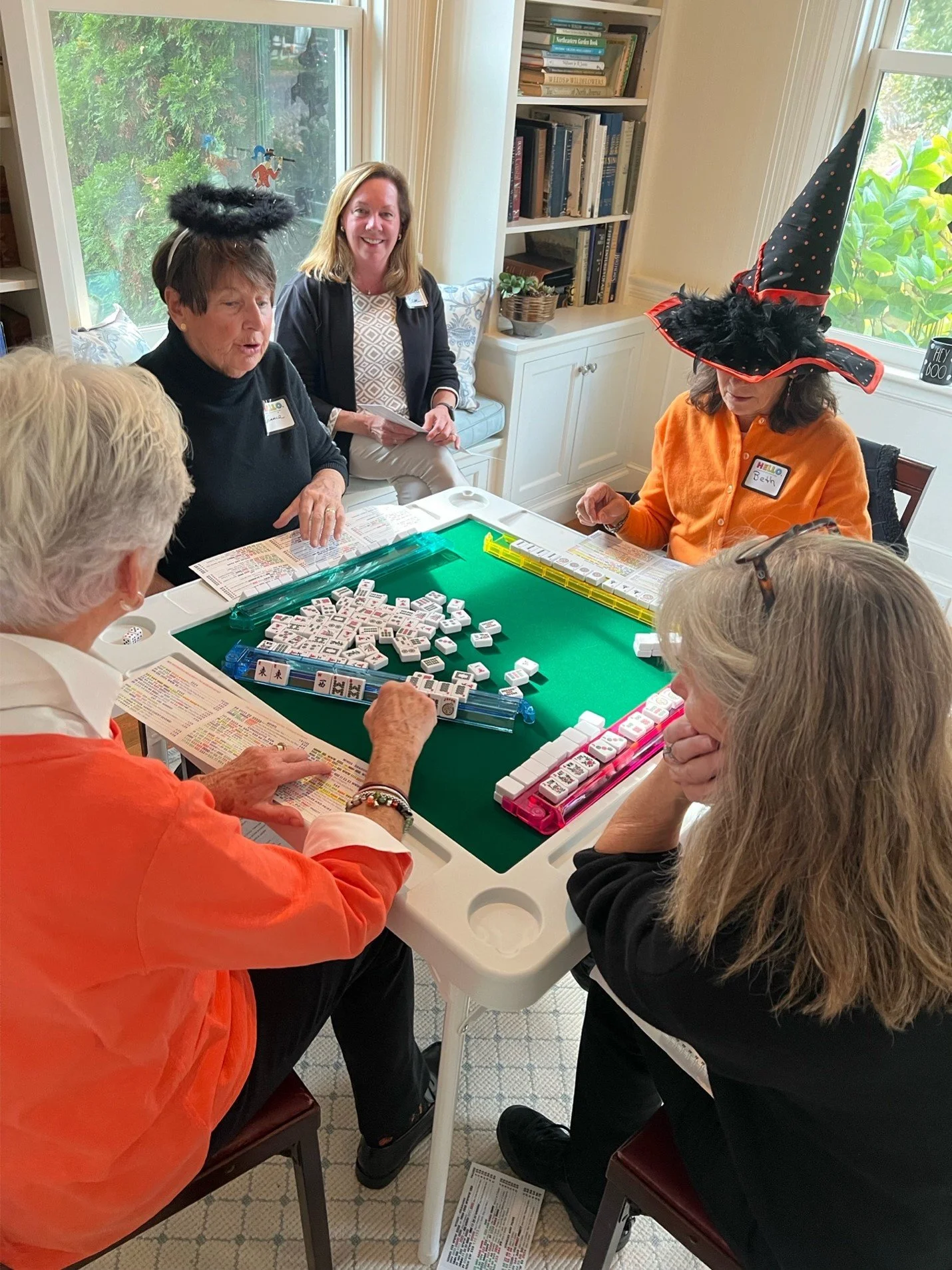
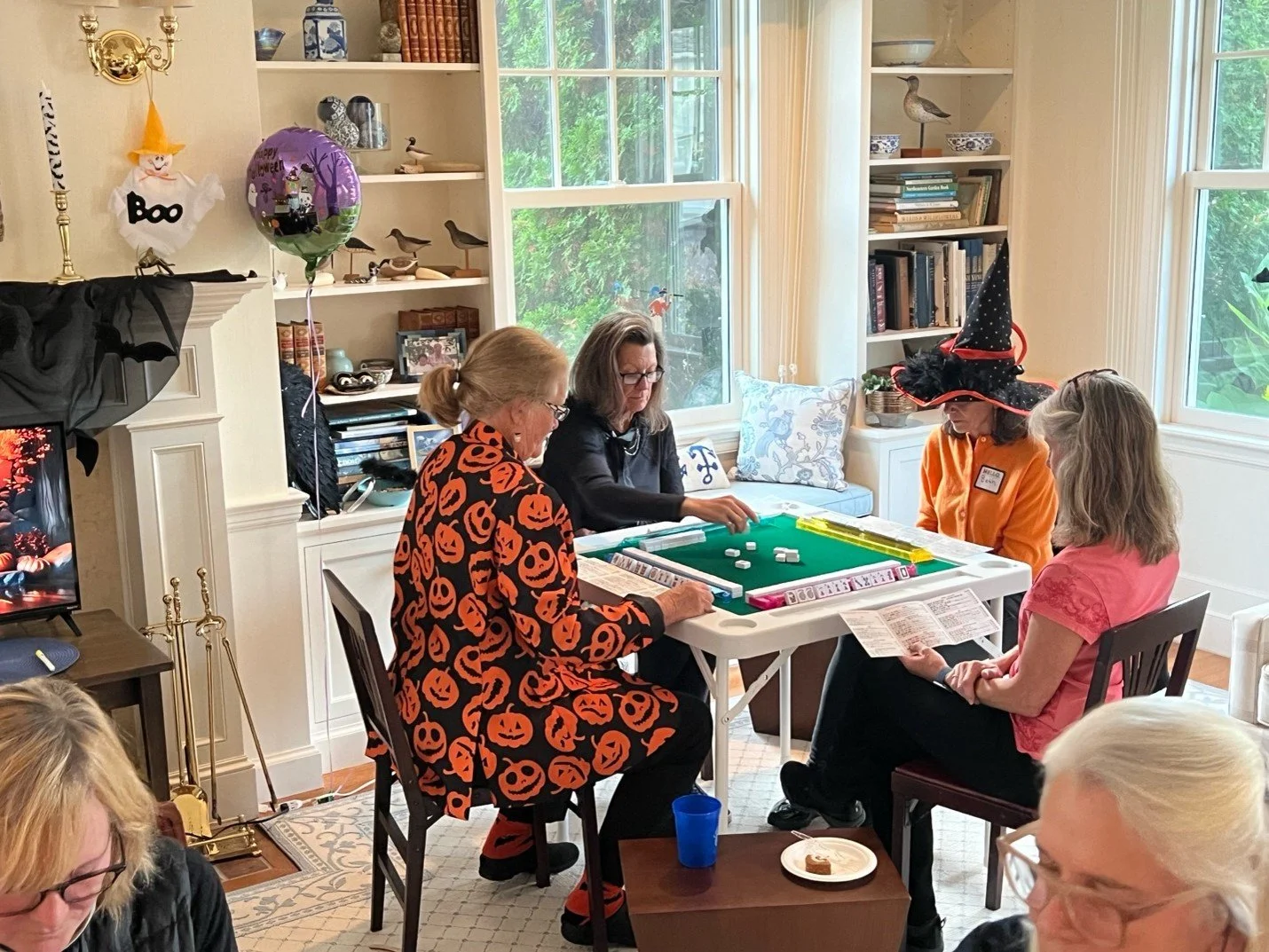
Lisa: I love to build in fun and have organized a few events around holidays. Halloween has always been a fun time to gather in costume with themed food and treats. People loved the party and most came dressed in costumes. Most of all, teaching people a skill they can use forever is a gift that keeps on giving.
Stacey: Thanks for sharing your story with us, Lisa. If my readers want to get in touch with you, how can they do that?
Lisa: People can email me at eliz.w.parker@gmail.com.